Be yourself; Everyone else is already taken.
— Oscar Wilde.
This is the first post on my new blog. I’m just getting this new blog going, so stay tuned for more. Subscribe below to get notified when I post new updates.
Be yourself; Everyone else is already taken.
— Oscar Wilde.
This is the first post on my new blog. I’m just getting this new blog going, so stay tuned for more. Subscribe below to get notified when I post new updates.
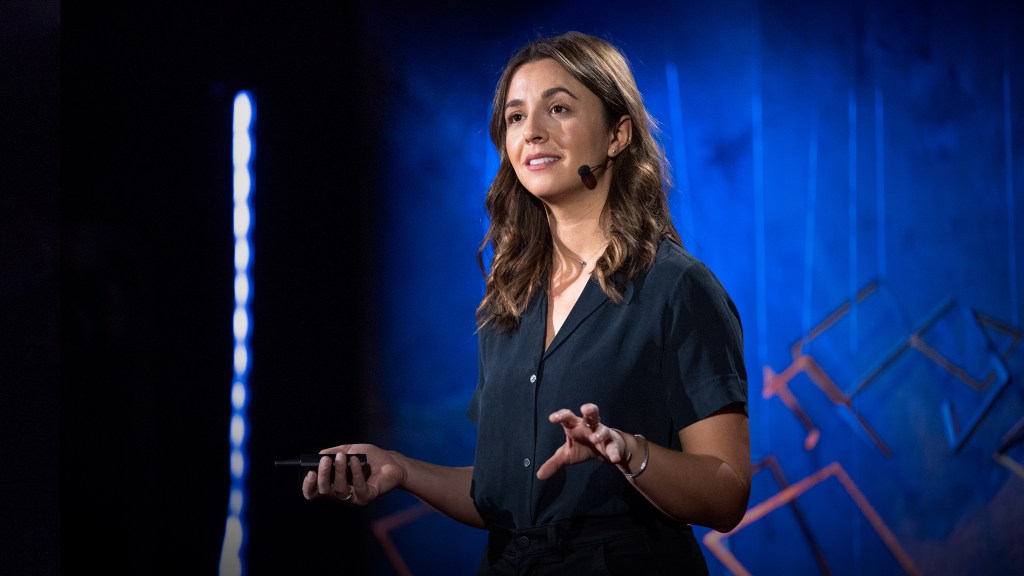
In her TED Salon Erin Sullivan, who is a travel photographer, presents a question to her audience at the salon. She asks, “why are we even taking photos in the first place?” this question was asked to make her audience better understand that while we are all taking pictures on our cameras and smartphones we can also be missing out on actually living in these moments. She adds that sometimes when we take a picture of something we’re not actually taking the time and energy to actually experience the image that our photos represent. This message is important because of the 2.87 billion smartphone users globally, 43 percent of smartphone users take pictures with their camera daily, according to a report by technology research consulting firm techARC. in conclusion, Sullivan advises her audience to always have an intention behind the pictures they take because this is the only way to enhance your experience.
After viewing and reflecting upon this TedTalk, I looked at the camera roll on my personal smartphone. Scrolling through about 400 photos led me to realize that only a select number of pictures actually meant something to me. The photos that did have meaning to me, however, were pictures that I can recall my intentions and the connotations behind them. For example, one picture that stood out to me was a picture I took at a concert of one of my favorite artists. I patiently waited until my favorite song was played and as the audience roared and lights flashed I captured my ‘perfect picture.’ This picture also holds a special place in my heart because the artist I saw that night passed away in December of last year. This goes to show that with our advanced access to photography, the predominant purpose of the pictures we take should be to recall fond memories of past adventures instead of forcing ourselves to reflect on colored canvases with dwindling importance as time passes.
This is an example post, originally published as part of Blogging University. Enroll in one of our ten programs, and start your blog right.
You’re going to publish a post today. Don’t worry about how your blog looks. Don’t worry if you haven’t given it a name yet, or you’re feeling overwhelmed. Just click the “New Post” button, and tell us why you’re here.
Why do this?
The post can be short or long, a personal intro to your life or a bloggy mission statement, a manifesto for the future or a simple outline of your the types of things you hope to publish.
To help you get started, here are a few questions:
You’re not locked into any of this; one of the wonderful things about blogs is how they constantly evolve as we learn, grow, and interact with one another — but it’s good to know where and why you started, and articulating your goals may just give you a few other post ideas.
Can’t think how to get started? Just write the first thing that pops into your head. Anne Lamott, author of a book on writing we love, says that you need to give yourself permission to write a “crappy first draft”. Anne makes a great point — just start writing, and worry about editing it later.
When you’re ready to publish, give your post three to five tags that describe your blog’s focus — writing, photography, fiction, parenting, food, cars, movies, sports, whatever. These tags will help others who care about your topics find you in the Reader. Make sure one of the tags is “zerotohero,” so other new bloggers can find you, too.
Have a WordPress.com account? Log in now.

